

Case studies
How a Small Business Switched Their Fleet to Electric with the Right Finance
The challenge
GreenFleet Solutions, a property management company based in South East Queensland, had a fleet of four petrol sedans used by their team for property inspections and client meetings across Brisbane and the Gold Coast. The vehicles were ageing, fuel costs were climbing, and the business owner, David Hargrove, wanted to modernise the fleet.
David Hargrove liked the idea of switching to EVs for the lower running costs and the professional image, but financing four vehicles at once felt daunting. They were not sure whether to lease or buy, how to structure it for the best tax outcome, or whether their lender panel would even accommodate a small fleet purchase.
The solution
After getting in touch through evfinancer.com.au, David Hargrove was connected with a specialist EV finance broker who focuses on commercial asset finance. The broker started by understanding the business: how the vehicles were used, the average daily kilometres, the budget, and the company's financial position.
Rather than treating it as four separate applications, the broker structured the fleet finance as a package, which simplified the process and gave the business more negotiating leverage with lenders.
After comparing options, the broker recommended a chattel mortgage structure. This gave GreenFleet Solutions ownership of the vehicles from day one, allowed them to claim the GST on each purchase upfront, and provided the ability to depreciate the assets and claim interest repayments as business expenses. The broker was careful to explain that the final tax position depended on the company's individual circumstances and recommended David Hargrove confirm the details with their accountant.
Looking at a family EV? The finance side should match your household budget, not a generic template.
A broker can help you compare options before you move into a full application - same approach as in our client stories.
Real brokers review every enquiry.
The finance was arranged through a lender that was not the fastest in the market but offered better terms and a more flexible approach for small fleet purchases. The broker could have gone with a quicker option, but the better deal was worth the extra few days.
If your business is in a similar position, have a chat with a broker about your options. Get started here.
Kids, commute, school run - your loan should survive real life, not just the showroom.
We help families sense-check repayments alongside insurance, charging setup and the extras you actually need.
The result
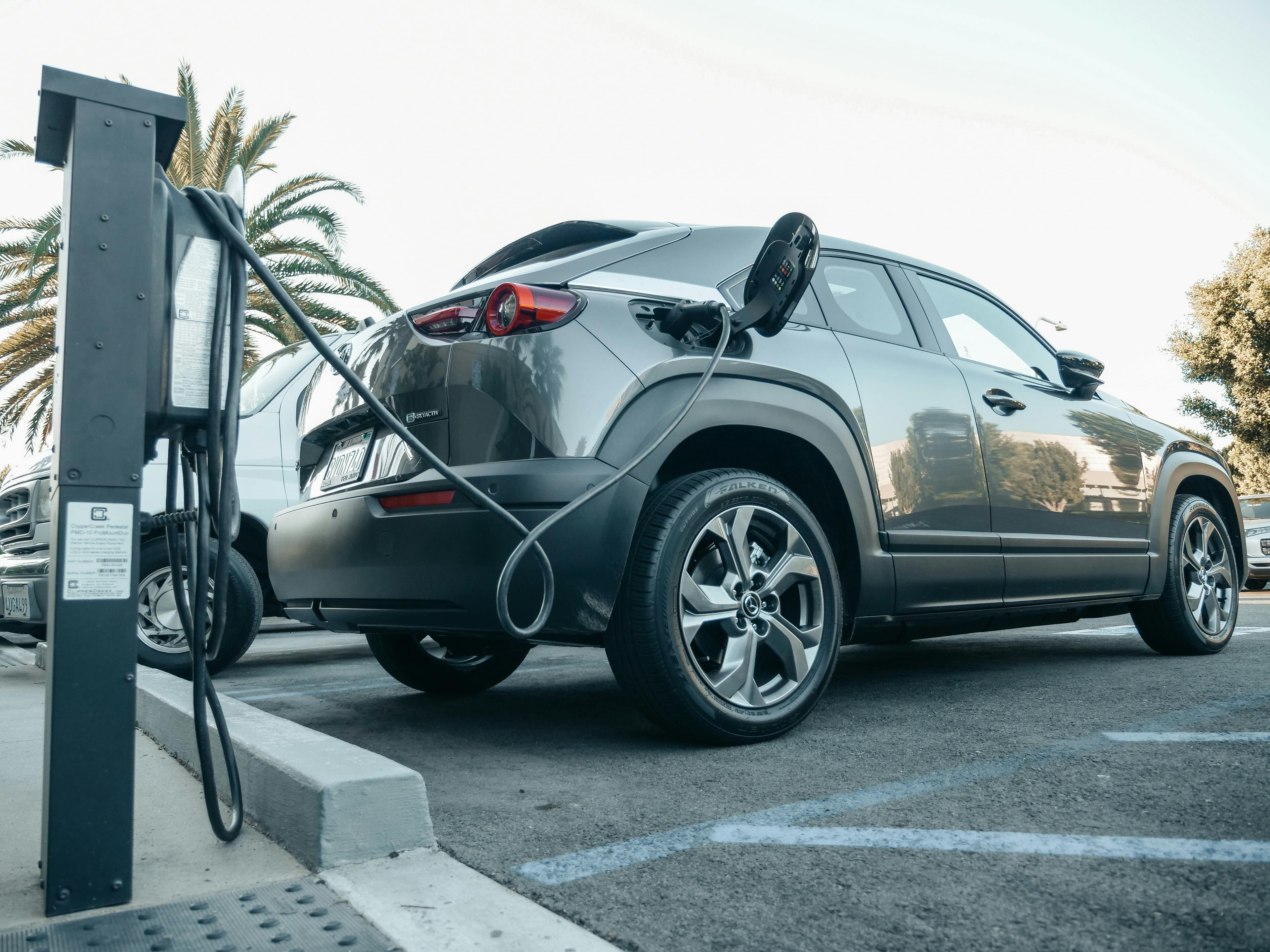
GreenFleet Solutions now runs four electric SUVs across their team. Fuel costs have dropped substantially, servicing visits are less frequent, and the vehicles are well-received by clients. The finance is structured in a way that works for their cash flow, and the tax treatment has been favourable.
The transition also prompted David Hargrove to look at the rest of the business's asset costs. They are now exploring finance options for a new company van through van finance.
Key takeaway
Financing a fleet transition does not have to be complicated. A broker with experience in commercial asset finance can structure the deal in a way that makes sense for your business, not just pick the first lender who puts their hand up. The right structure and the right lender can make a meaningful difference to the total cost and your cash flow.
For small business owners who want to understand the basics before reaching out, our guide on EV finance for small business owners is a good starting point. For a broader view of business asset finance, visit Aussie Finance Hub.
For current rates and how they affect equipment and fleet finance, see loan-o's Business loan & equipment finance rates Queensland guide.
If your business also needs trucks or machinery alongside its fleet, Digger's Marketplace lists trucks, farm equipment and machinery from accredited Australian suppliers.