

Knowledge base
EV Finance for Small Business Owners: What You Need to Know
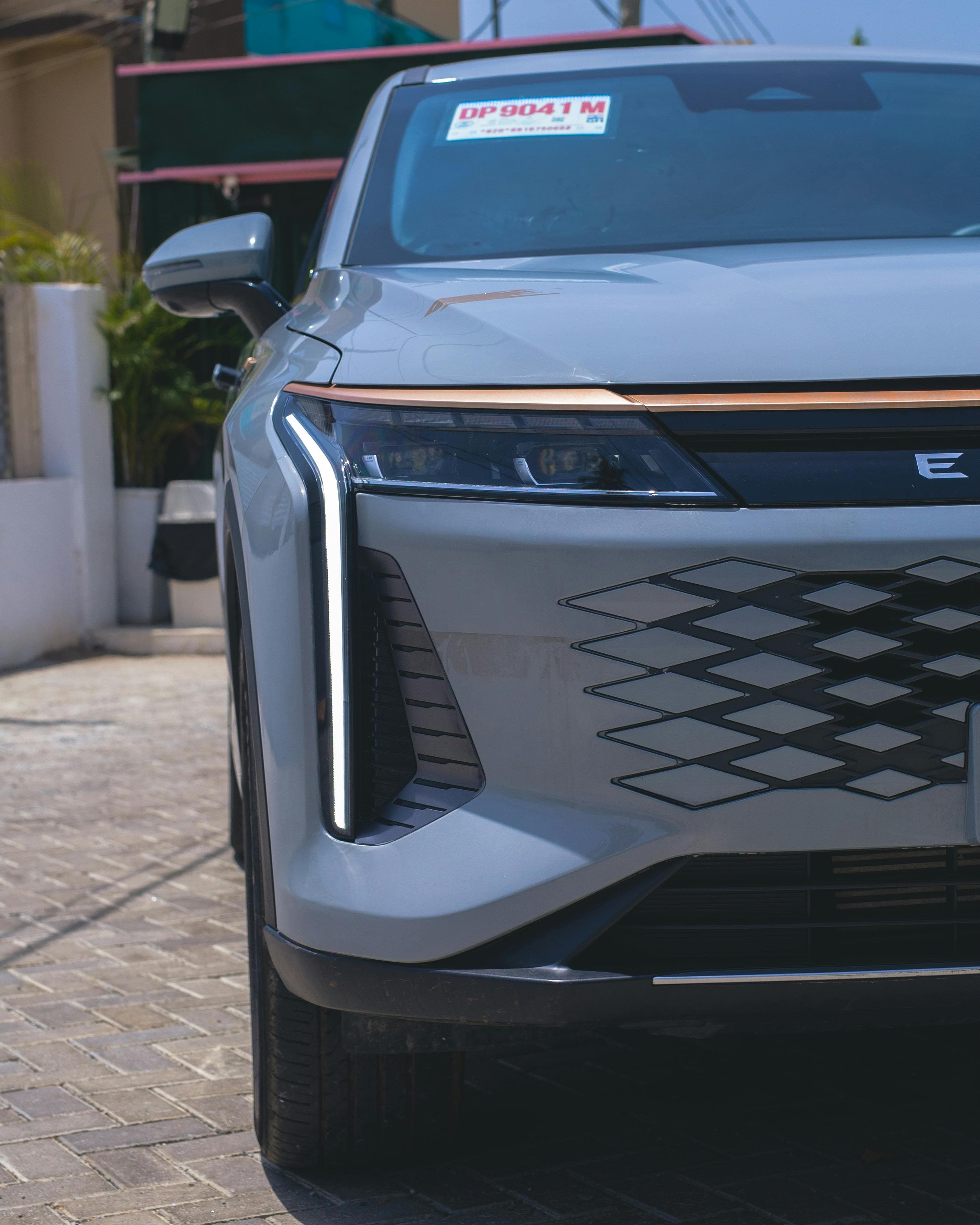
Small businesses adding an EV, whether as a work vehicle, a company car, or the start of a fleet, generally choose between two finance structures: chattel mortgage and finance lease. This guide is aimed at sole traders, partnerships, and small company owners who want the practical information without the jargon.
Why are small businesses buying EVs?
The reasons are straightforward. Lower fuel costs mean reduced operating expenses. Servicing is typically cheaper than for petrol or diesel vehicles. There are potential tax advantages depending on the finance structure. And EVs project a modern, forward-thinking image to customers and clients, which matters in some industries.
For businesses that do a lot of city or suburban driving (deliveries, client visits, inspections, sales calls), an EV can be a genuinely cost-effective choice.
Test drove something in this price bracket? Mention the model and we will tailor the conversation.
Different lenders have different appetites for brands and ages - brokers shortcut the guesswork.
What finance structures suit small businesses?
The two most common options are chattel mortgage and finance lease.
Chattel Mortgage: You own the EV from day one and make regular repayments. Popular because it is straightforward and offers potential tax benefits. If you are registered for GST, you may be able to claim the GST on the purchase price upfront. You can also typically claim the interest on repayments and depreciation on the vehicle as business expenses.
We have a detailed guide on how chattel mortgage works for EV buyers if you want the full breakdown.
Finance Lease: The lender owns the vehicle and leases it to you. Your lease payments are generally tax-deductible as a business expense. At the end of the term, you can pay a residual to take ownership, refinance, or hand it back. This can suit businesses that prefer to keep assets off their balance sheet.
A specialist EV finance broker will help you figure out which structure is better for your situation. It depends on your cash flow, tax position, and how long you plan to keep the vehicle.
What about the instant asset write-off?
The instant asset write-off (or temporary full expensing, depending on the financial year) has been a significant incentive for small businesses buying assets, including vehicles. Eligibility criteria, thresholds, and the availability of this measure change from year to year, so it is important to check the current rules with your accountant or the ATO.
If the write-off is available and you are eligible, it can substantially reduce the effective cost of your EV in the year of purchase. But do not make a buying decision based solely on tax incentives. Make sure the vehicle makes sense for your business first, and treat the tax benefits as a bonus.
What do I need to apply?
Most lenders will want to see your ABN (and how long it has been active), recent business financials or tax returns, proof of identity, details of the vehicle you want to buy, and a general picture of your income and expenses.
You can upload all of this straight from your phone. No need to print, scan, or post anything.
If your business is relatively new (under two years of trading), some lenders may have stricter criteria, but there are options available. A broker can steer you toward the lenders most likely to say yes based on your specific situation.
Shopping under $50k often means trade-offs on range and spec - your loan term should match those trade-offs.
A broker can help you avoid a mismatch between how long you keep the car and how the loan is structured.
First home buyer-simple language. No jargon walls.
Can I finance multiple vehicles?
Yes. If you are building a small fleet, your broker can help you structure finance across multiple vehicles. This might be especially relevant if you are looking at adding other assets too, like a van or ute. If that is the case, van finance and ute finance are available through the same broker team.
The right deal, not just the fastest
One thing worth knowing: our broker team does not just go with whatever lender approves first. Some lenders are better suited to small businesses, or to specific finance structures, but they might take a little longer because they have smaller teams. That extra time is usually worth it because it means a better rate, better terms, or a structure that genuinely suits your situation.
For an overview of business finance options across all asset types, Aussie Finance Hub is a useful resource.
For the four checks a broker runs before recommending a lender, see loan-o's How to choose a business loan lender guide.
If your business also needs trucks or machinery, Digger's Marketplace lists trucks, farm equipment and machinery from accredited Australian suppliers.