

Knowledge base
The Used EV Buyer's Checklist for Australia
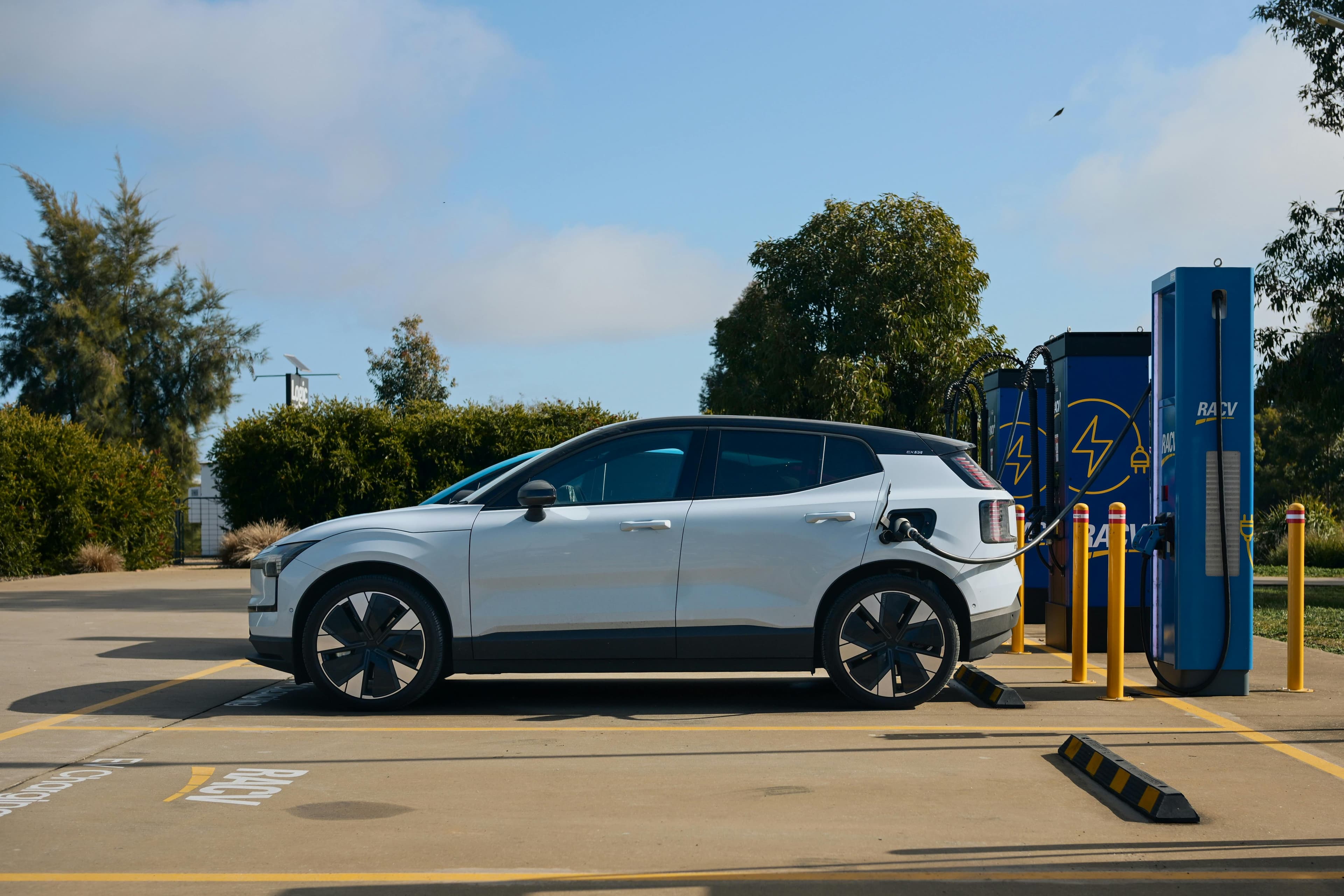
Buying a used EV is different from buying a used petrol car in a few specific ways - mainly the battery, the warranty, and how lenders assess the vehicle. This checklist walks through what to check, in order, before you commit to a used electric vehicle in Australia.
Work through it roughly in this order: paperwork first, then battery and powertrain, then the physical inspection, then financing readiness. Skipping steps is how people end up with an unpleasant surprise a few months in.
1. Paperwork to request before you inspect
Ask the seller or dealer for these before you spend time on an inspection or test drive:
- Full service history - every scheduled service, ideally from an authorised or manufacturer-approved workshop. Gaps in the service record are worth asking about directly.
- Battery health report - a state of health (SoH) reading, either from the manufacturer's dealer network or an independent EV diagnostic service. Don't rely on the dashboard range estimate alone; it reflects driving style and conditions, not battery capacity.
- Remaining warranty documentation - vehicle warranty and, separately, the battery warranty (these often have different terms and expiry conditions).
- PPSR certificate - a Personal Property Securities Register check confirming there's no money owing on the vehicle. Essential if buying privately; most dealers will have already cleared this, but confirm it.
- Recall history - check the vehicle's VIN against the manufacturer's recall register to confirm any outstanding recalls have been actioned.
Found the vehicle? Sort the finance path before you commit.
A specialist broker can tell you within minutes which lenders on the panel are comfortable with the vehicle's age, kilometres and battery health.
2. Battery and powertrain checklist
- State of health (SoH) above ~85% is generally considered good for a vehicle a few years old. Below ~70% is worth pausing on - it affects both usable range and what lenders are comfortable financing.
- Charging history, if available. A vehicle that has spent most of its life on slower AC home charging typically shows less battery stress than one that's been heavily DC fast-charged (common in fleet, rideshare, or delivery use).
- No warning lights or reduced-power messages during the test drive, particularly under acceleration or after the battery has warmed up.
- Charging port condition - check for physical damage, corrosion, or a port cover that doesn't seal properly, since this is exposed to weather far more than anything on a petrol car.
- 12V auxiliary battery - EVs still have one of these for accessories and low-voltage systems. It's a wear item like on any car and can cause unrelated-seeming faults if it's failing.
3. Warranty checklist
- Confirm how many years and/or kilometres remain on the vehicle warranty.
- Confirm how many years and/or kilometres remain on the battery warranty separately - manufacturers commonly offer 8 years or more on the battery specifically, longer than the general vehicle warranty in some cases.
- Check whether the battery warranty includes a minimum capacity guarantee (e.g. replacement if SoH drops below a stated percentage within the warranty period) and what's excluded.
- Confirm the warranty is transferable to a new owner - most manufacturer warranties are, but it's worth confirming rather than assuming, especially for a private sale.
4. Vehicle history and legal checklist
- PPSR check confirming no finance is owing (repeated here deliberately - do not skip this for a private sale).
- Written-off or flood-damage history. Water intrusion and high-voltage battery systems are a serious combination; a state written-off vehicle register (WOVR) check is worth the small fee.
- Odometer consistency against service records - a mismatch is a red flag worth asking about directly.
- Number of previous owners and whether the vehicle was previously used commercially (fleet, rideshare, delivery), which can mean higher use intensity than the odometer alone suggests.
5. Physical inspection checklist
- Tyres - EVs are heavier than equivalent petrol vehicles and can wear tyres faster; check tread depth and even wear.
- Brakes - many EVs use regenerative braking for most day-to-day deceleration, so physical brake components can show less wear than the odometer suggests; that's normal, but still worth a check.
- Software version and update history, where the seller or dealer can show it - some manufacturers have issued meaningful range, charging, or safety improvements via updates.
- Standard used-car checks still apply: panel gaps, paint consistency, interior wear relative to the odometer, and a test drive on roads similar to what you'll actually use day to day.
Ready to see what finance looks like for this vehicle?
Tell us the price range and we will show you indicative repayments before you talk to a broker.
6. Financing readiness checklist
Used EV finance is available, but lender appetite varies more than it does for a used petrol car. Before you apply, it helps to have:
- The battery health report and remaining warranty documentation from sections 1-3 above - some lenders will ask for this directly, and all of them will lend with more confidence when it's available.
- A clear picture of the vehicle's age and odometer reading against the lender's typical maximums - these vary by lender, so a broker who knows the panel can save you a wasted application.
- Your own documents in order: proof of identity, proof of income, and (for business buyers) recent BAS statements or financials. See our guide on financing a used EV in Australia for the full breakdown.
A specialist EV finance broker can usually tell you within minutes which lenders on their panel are comfortable with a specific vehicle's age, kilometres and battery condition, which avoids unnecessary credit enquiries on your file from approaching lenders one by one.
Found a used EV that ticks these boxes? The finance path is next.
We help you compare personal, business and novated options for the specific vehicle you're considering.
No obligation. Real broker guidance.
The short version
If you only do five things: get a battery health report, confirm the battery warranty separately from the vehicle warranty, run a PPSR check, get a written-off/flood-damage check, and confirm the service history is complete. Everything else on this list narrows the risk further, but those five catch the issues that actually cost people money.
This checklist has been reviewed by Guy Beglin, Director and licensed finance broker at EVFinancer. It's a general guide, not a substitute for a professional pre-purchase inspection or your own due diligence on a specific vehicle - conditions and warranty terms vary by manufacturer and model year, so confirm the specifics that apply to the exact vehicle you're considering.
For more on battery degradation specifically, see our guide on how long EV batteries last. For the new-vs-used decision more broadly, see new vs used EV: which should you buy.