

Knowledge base
EV Finance Checklist Before You Sign a Black Friday Deal
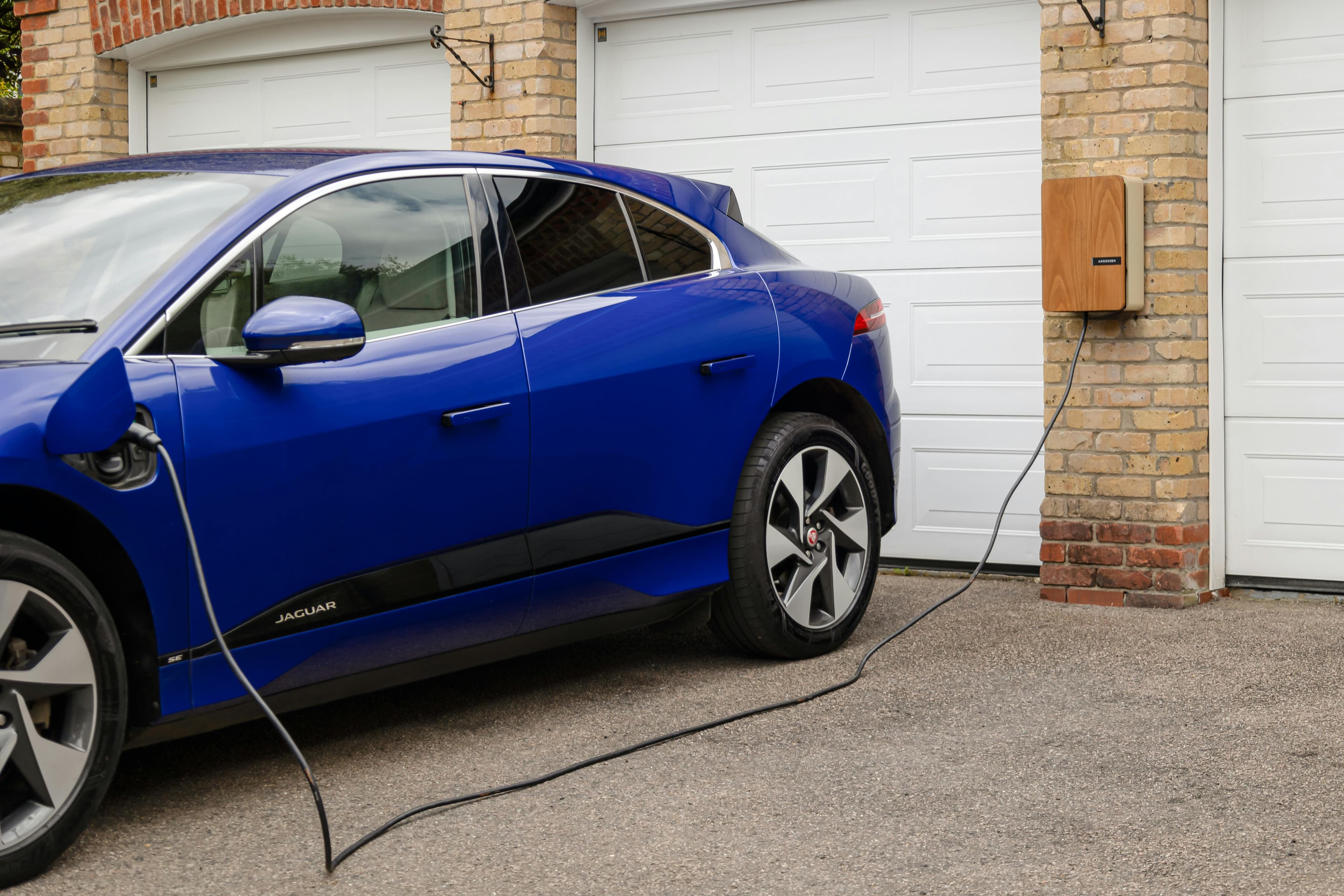
A Black Friday EV deal comes with a deadline, and a deadline is when people skip the finance paperwork. Before you sign, run through this checklist. It draws on Australian government and regulator guidance (MoneySmart, ASIC and the ACCC), checked on 16 November 2026, and links to each source at the end.
It is general information, not financial, tax or credit advice. It does not take your situation into account. For a shorter list of what to review in the contract itself, see top things to check before signing an EV finance agreement.
First, separate the deadline from the decision
A promotion ends on a date, but you do not have to decide by it. If a quote cannot be checked in time, you can walk away and the car will still be there, possibly at a different price. Ask for every figure in writing, and give yourself at least a day with the paperwork before you sign.
The checklist
1. Get the total price in writing
The ACCC's pricing guidance says a business's advertised price must include taxes, duties and all unavoidable or pre-selected extra fees, and that if more than one price is shown the business must charge the lowest. For a car, ask for the full drive-away price in writing, and ask what is not in it, such as metallic paint, accessories or delivery.
2. Find out who is arranging the finance and who gets paid
MoneySmart says a loan arranged at a dealership can involve several parties, and that you should ask who is involved and what fees apply before you sign. You can compare the dealer's offer with your bank, other banks and other lenders. A dealer's finance is one option, not the only one.
3. List every fee, not just the rate
MoneySmart names these fees on car loans: an establishment fee, a broker fee (which must be disclosed on the finance contract), a dealership or introducer fee, and other fees such as a monthly service fee and fees for missed payments. ASIC's June 2026 review of more than 350,000 car loans from eight finance providers found that a loan typically carries two establishment fees: $299 to $995 charged by the lender, and a flat $912 up to $2,500 from the distributor. One loan had more than $9,000 in fees on a $49,162 loan. Ask for each fee, who receives it, and whether it is added to the amount you borrow.
4. Compare the comparison rate, on the same loan
MoneySmart says lenders must give you a comparison rate, a single figure that includes the interest rate and fees, and that you should compare it for the same loan amount and term. Brand offers show how it works in practice: BYD's and GWM's offer pages both state that their comparison rates are based on a $30,000 secured loan over five years. Your loan may be a different size or term, so ask for the rate on your own loan.
5. Check the term and any balloon
MoneySmart explains that a balloon (residual) payment gives smaller repayments, but the total cost is generally higher, and that you should be confident you can pay the lump sum at the end. If a deal offers a guaranteed future value, MoneySmart says conditions can include kilometre limits and the car's condition beyond fair wear and tear. Ask what happens at the end of the term, in writing. See balloon payments explained.
6. Check fixed or variable, and what it costs to exit early
Your choice affects the total cost. MoneySmart says variable-rate loans usually have no early exit fee. Ask whether the loan you are offered has one, and how much.
7. Add up the cost of owning the car
MoneySmart's checklist includes stamp duty, registration, insurance and running costs, and whether you could still make the repayments if your circumstances change. A low price does not help if the repayments strain your budget. See EV running costs vs petrol cars.
8. Think about how many applications you make
MoneySmart says your credit score is based on the amount you borrow, the number of credit applications you make and whether you pay on time, and that applications and credit report requests appear on your credit report. You can get a free credit report from Experian and Equifax every three months. Check yours before you apply, and ask a broker how they approach lenders so you are not making unnecessary applications.
9. Read the promotion's conditions
Many Black Friday offers have an order window, a delivery or settlement deadline and exclusions, and most cannot be combined. For the BYD Atto 1, for example, BYD's offers page says the drive-away price excludes any purchase with another promotion, and that delivery is not guaranteed by the deadline. See how to compare cashback, drive-away and other EV deals.
Have a quote you are not sure about? Get a second opinion before you sign.
A broker can compare it with other lenders for the same car, amount and term, and point out fees to ask about.
No obligation. Real broker guidance.
10. Know your rights if something goes wrong
The ACCC says consumer guarantees apply automatically and cannot be taken away, and that a "no refunds" sign does not remove them. They include acceptable quality and matching the description. If there is a problem, contact the business first. A business purchase is covered if it costs under $100,000 including GST, or if the vehicle is used mainly to transport goods on public roads.
Whether you can cancel after signing is a separate question, and the rules differ by state and product. The ACCC pages we read did not set out a cooling-off rule for car purchases, so ask whether you have any right to cancel, and get the answer in writing. See the cooling-off section of our signing checklist.
11. Know where to complain
MoneySmart says to contact the business first, then make a written complaint through its internal dispute resolution, with the word "complaint" in the heading and copies of your documents. If it is not resolved, external dispute resolution is free. The Australian Financial Complaints Authority (AFCA) considers complaints about credit, finance and loans, on 1800 931 678 (9 am to 5 pm, Monday to Friday) or online. The ACCC handles complaints about prices, advertising and unfair practices.
Questions to ask before you sign
- What is the full drive-away price, in writing, and what is not included?
- Who is arranging the finance, and who is paid a fee or commission?
- What are all the fees, and are any added to the loan?
- What is the comparison rate for my loan amount and term?
- Is there a balloon or guaranteed future value, and what are the conditions?
- Can I repay early, and what does it cost?
- Does the promotion depend on using this finance, and what changes if I use my own?
- What is the delivery or settlement deadline, and what if the car is late?
Have your documents ready
Lenders commonly ask for photo ID, proof of income, bank statements, a quote or invoice for the car and details of any current finance. Your broker will tell you what applies to you. A pre-approval is not a guarantee of final approval.
EVFinancer is running its own Black Friday offer until 11:59 pm AEST on 28 November 2026. You can save up to $2,000 with a $0 loan-o origination fee when you send all required documents within 24 hours of your enquiry and your finance settles within 7 days. Terms apply, and it is subject to lender approval. Read the promotional terms before you apply. For what is running now, see Black Friday EV deals in Australia.
Questions people ask
Do I have to take the dealer's finance to get the deal?
Some promotions depend on it, and some do not. Check the conditions, and ask what changes if you arrange your own finance. MoneySmart says you can compare a dealership's offer with banks and other lenders.
What is a comparison rate?
A single figure that includes the interest rate and fees, which lenders must give you, according to MoneySmart. It is useful for comparing loans of the same amount and term.
Will applying to several lenders hurt my credit score?
MoneySmart says the number of credit applications you make is one of the things your score is based on, and that applications show on your credit report. It does not give a number, so ask a broker how they handle applications.
Can I cancel after I sign?
It depends on the product and the state. Ask before you sign, and get the answer in writing.
Where do I complain about car finance?
Start with the business, then its internal dispute resolution, then AFCA if it is not resolved.
Sources
- MoneySmart: Car loans (last updated 24 June 2026)
- MoneySmart: Credit scores and credit reports (last updated 9 September 2026)
- MoneySmart: How to complain (last updated 9 November 2026)
- ASIC media release 26-132MR: car finance costs and distribution concerns (June 2026 review, Report 832)
- ACCC: Consumer rights and guarantees
- ACCC: Price displays
- BYD Australia offers and GWM offers, read 16 November 2026
Guidance was checked on 16 November 2026 and may change. This article is general information only and not financial, tax or credit advice. It does not take your objectives, financial situation or needs into account. All finance is subject to lender approval and credit criteria. Lender fees, government charges and other third-party costs apply.
Already have an offer?
Compare it before you sign.
Send us your EV finance offer and we will check the rate, fees and total cost against our lender panel. Free, no obligation.