

Educational
EV running costs vs petrol cars in Australia: when does the switch make sense, and what could finance look like?
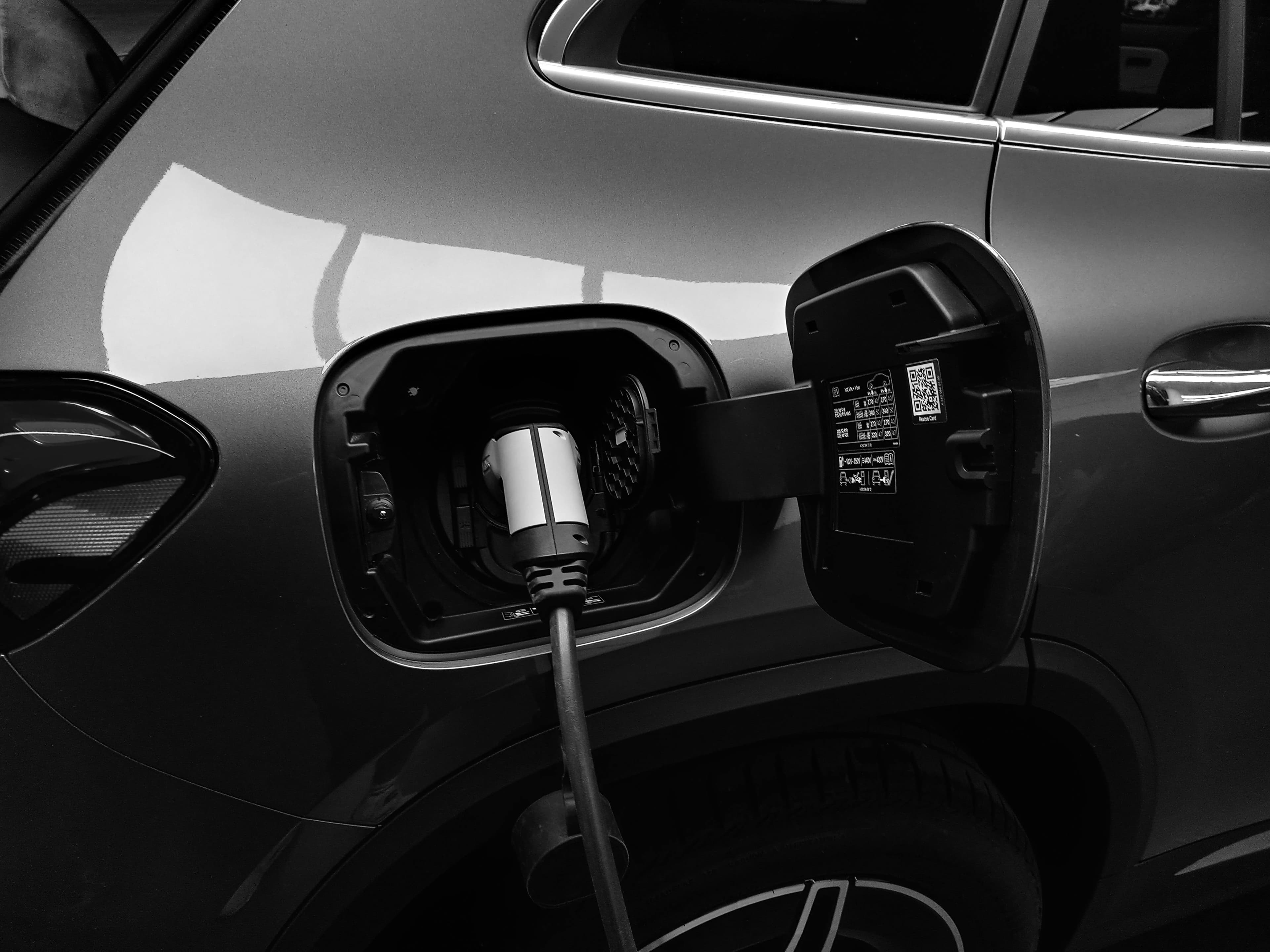
In many cases, EVs cost less to run than petrol cars once you account for energy costs, servicing and price stability. The size of the gap depends on how much you drive, whether you can charge at home, and how the vehicle is financed.
For a lot of Australians, the decision now comes down to cost control.
Petrol prices move around. Servicing adds up. Household and business budgets both feel tighter when regular transport costs are hard to predict. An EV will not always be the cheaper choice in every scenario, but for many buyers it can offer lower day-to-day running costs and a more stable ownership pattern, especially if charging happens at home. The ACCC says petrol price cycles remain a prominent feature in Australia’s largest cities, while Australia’s Department of Climate Change, Energy, the Environment and Water says rooftop solar has reached 4 million installations nationally, with 1 in 3 Australian homes now having solar.
This guide breaks down where EV savings usually come from, where the trade-offs still sit, and when the numbers may be strong enough that it makes sense to start looking at finance options rather than just researching from the sidelines.
Australian broker team • Personal and business buyers • No-obligation guidance • Rates from 5.99% p.a. for eligible brand-new green cars, subject to approval
Quick answer
In many cases, EVs are cheaper to run than petrol cars.
That does not automatically mean every EV is the better financial choice. The answer depends on:
- how much you drive
- whether you can charge at home
- how often you use public fast charging
- what petrol vehicle you are comparing against
- how the EV is financed
For a lot of Australians, though, the running-cost difference is real enough that the next question becomes:
Could the savings help make the switch feel manageable now, instead of waiting?
EV vs petrol: what usually changes?
| Energy cost per km | Usually favours EV |
|---|---|
| Price stability | Usually favours EV |
| Routine servicing | Usually favours EV |
| Long-trip convenience | May favour petrol depending on use case |
| Upfront purchase price | Often favours petrol unless finance and savings close the gap |
1. Fuel vs electricity: this is where EVs usually pull ahead
The biggest running-cost advantage for an EV is usually energy cost.
Petrol prices in Australia are still affected by regular retail pricing cycles. The ACCC says price cycles are a prominent feature of petrol prices in the five largest cities and describes how prices tend to rise quickly and fall more gradually over each cycle.
That matters because a petrol vehicle comes with a degree of ongoing price volatility. By contrast, many EV owners do most of their charging at home, where the cost is generally more controllable.
The practical takeaway is simple: for many households, charging at home can cost materially less per kilometre than filling with petrol, even before servicing savings are considered. Public fast charging can narrow that advantage, but home charging is where EV economics usually become strongest.
If the running-cost gap is one of the reasons you are looking at EVs, the next question is not just “what car should I buy?”. It is also “what would the total monthly cost look like once repayments are included?”.
2. Cost stability is a bigger part of the story than most people realise
Many articles compare EVs and petrol cars only on the cheapest cost-per-kilometre figure.
That is useful, but it misses something important: predictability.
The ACCC’s petrol market publications repeatedly show that fuel prices in major Australian cities do not stay flat. They move in cycles. For households, sole traders, and small businesses, that means transport costs can be harder to budget around from month to month.
An EV does not remove all uncertainty, but it can shift more of your transport cost into a structure that feels steadier:
- regular repayments
- home charging patterns
- lower exposure to bowser price swings
- potentially lower routine servicing over time
That can matter just as much psychologically as it does financially. A buyer may not just want “cheaper”. They may want more controllable.
3. Home charging changes the equation, and solar can improve it again
For most EV owners, home charging is where the numbers start to look strongest.
That matters even more in Australia because rooftop solar uptake is already extremely high. The federal government said in November 2024 that Australia had reached 4 million rooftop solar installations, that 1 in 3 Australian homes now have rooftop solar, and that the average rooftop system saves households more than $1,500 a year on energy bills.
This does not mean every EV buyer will have ultra-cheap charging. It does mean Australia is unusually well placed for home-based EV charging compared with many other markets.
For households that already have solar, or plan to install it, the logic becomes more compelling:
- more control over transport energy costs
- less dependence on retail petrol pricing
- a better long-term ownership story for high-use vehicles
That is one reason EVs are appealing to cost-conscious households and businesses looking for more stable operating costs, not only early adopters.
Australia’s energy setup is starting to favour EV ownership
With 1 in 3 homes already using rooftop solar, many Australian households are better positioned than they realise to benefit from home charging.
4. Servicing and maintenance usually tilt in the EV’s favour too
EVs generally have fewer moving parts than petrol cars.
That means no engine oil, no spark plugs, no exhaust system, and fewer traditional engine-related service items. You still need to maintain tyres, brakes, suspension, cabin filters, and the general health of the vehicle, but routine servicing is often simpler.
That does not mean EVs are risk-free. If something significant goes wrong with the battery or drivetrain outside warranty, repairs can be expensive. But for many buyers, the routine ownership pattern is still cleaner and lower-maintenance than with a petrol vehicle.
This is why the EV running-cost conversation should not stop at charging. The broader ownership profile often matters as well.
5. What about insurance, registration and the real-world caveats?
Not every category favours EVs.
EVs are not automatically cheaper in every single category.
Insurance can sometimes be higher, especially where purchase prices or repair costs are higher. Registration outcomes vary by state and can change over time. Public fast charging is usually more expensive than charging at home, so drivers who rely heavily on public charging may see a smaller cost gap than those charging overnight at home.
That is why this decision should not be made on a headline like “EVs are cheaper to run” alone.
A better question is:
Does an EV make financial sense for the way I actually drive and charge?
For many Australians, the answer is yes. But the strength of the answer depends on use case.
Wondering whether the lower running costs could help offset the repayment?
If you are seriously considering an EV, we can help you look at the decision in a more practical way, not just as a research exercise.
That means comparing:
- likely running-cost patterns
- rough repayment ranges
- personal versus business finance paths
- whether the switch feels comfortable in your budget
6. So, when does switching to an EV usually make the most sense?
The switch often becomes easier to justify when several of these are true:
- you do enough driving for the lower running costs to matter
- you can charge at home
- you want more predictable transport costs
- you are already replacing a vehicle anyway
- petrol cost volatility is starting to annoy you
- the right finance structure would make the monthly position feel manageable
That last point matters.
A lot of buyers assume they need to make the full EV decision before thinking about finance. In reality, the finance structure can be part of what helps make the decision clear.
Sometimes the monthly picture looks better than expected once lower running costs are considered alongside repayments. Sometimes it does not. Either way, that is useful to know early.
EVs are not automatically cheaper. They are often better when the whole picture lines up
This is the right way to think about it.
Do not buy an EV just because someone says charging is cheaper than petrol.
Buy one because, in your situation, the full picture stacks up:
- the vehicle suits your life
- the charging setup makes sense
- the ownership costs look sensible
- the finance structure feels comfortable
That is why these pages work together.
If you are still deciding which EV belongs on your shortlist, start with our guide to the best electric vehicles under $50,000 in Australia.
If you are comparing specific brands and value trade-offs, read our Tesla vs BYD comparison.
If you already know the vehicle you want, the next logical step is understanding the finance side properly.
No obligation to proceed. Just clear guidance from a real Australian broker team that specialises in EV finance, not car loans in general.