

Educational
How Long Do EV Batteries Last?
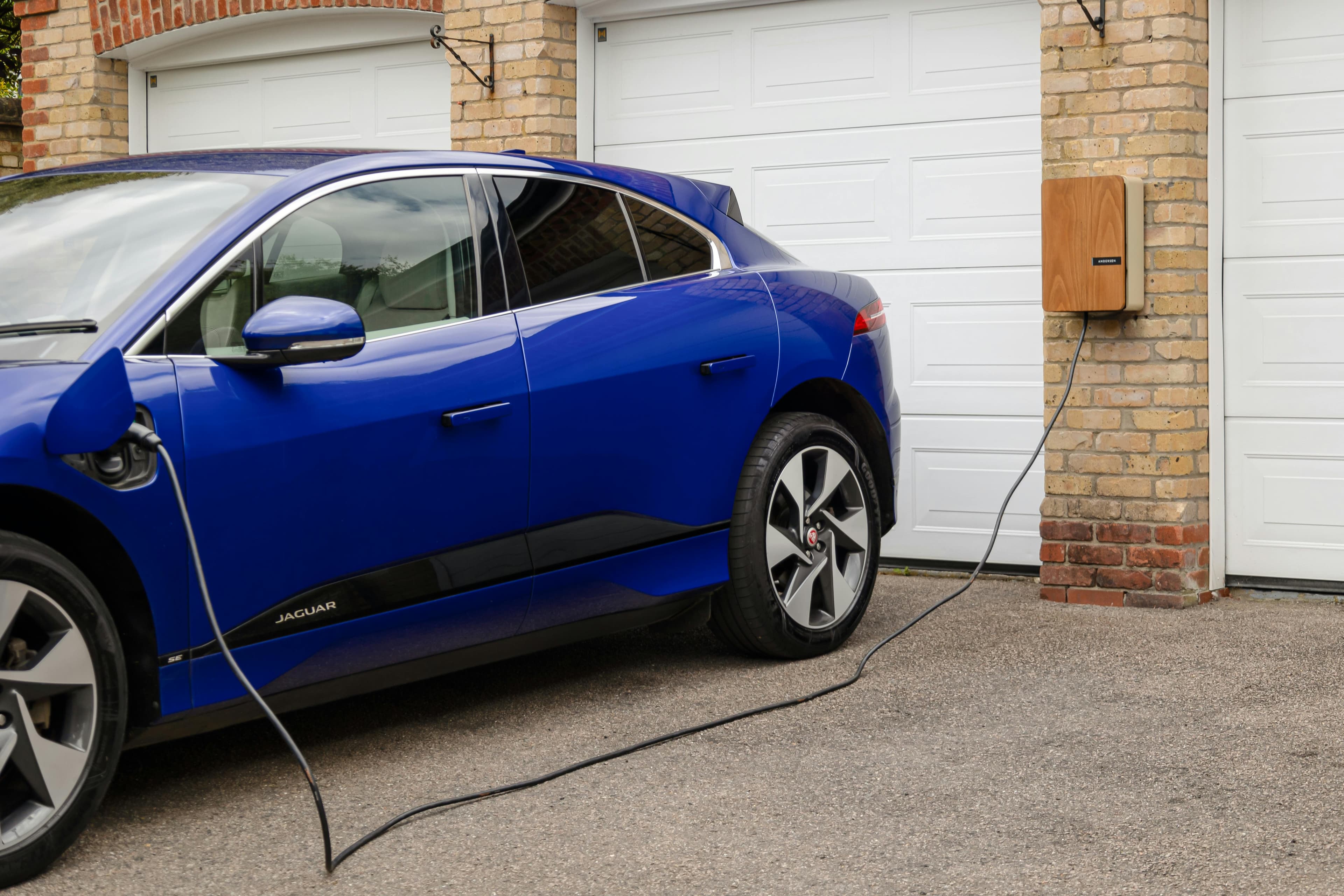
Most EV batteries retain 80 to 90 percent of their original capacity after 8 to 10 years of normal use, and manufacturers design them to last the lifetime of the vehicle - typically 10 to 20 years or several hundred thousand kilometres. Battery health is also the main reason it is the most expensive component to replace if something does go wrong.
The good news is that modern EV batteries are proving to be far more durable than many people expected. Here is what the data shows.
How long should an EV battery last?
Most manufacturers design their EV batteries to last the lifetime of the vehicle. In practical terms, that means somewhere in the range of 10 to 20 years or several hundred thousand kilometres before the battery degrades to a point where it noticeably affects usability.
Battery degradation is gradual, not sudden. Over time, the battery's maximum capacity slowly decreases. After several years of use, a battery that originally offered 400 kilometres of range might offer 350 or 360. That is degradation, but for most people it does not make the vehicle unusable.
Lower fuel bills are only half the picture - the loan structure needs to fit how long you will keep the car.
A broker can match term, balloon and payment rhythm to how you drive and how you use the vehicle.
Studies of real-world EV battery data consistently show that most batteries retain 80 to 90 percent of their original capacity after 8 to 10 years of normal use. Some retain even more than that.
What affects battery degradation?
Several factors influence how quickly an EV battery degrades:
Heat. Batteries degrade faster in consistently hot climates. In Australia, this is worth noting, particularly if you live in the tropics or inland areas with extreme summer heat. Parking in the shade and using a garage where possible can help.
Frequent fast charging. DC fast charging generates heat and puts more stress on the battery than slow home charging. Using fast chargers occasionally is fine, but relying on them exclusively may accelerate degradation over time.
Charging habits. Regularly charging to 100 percent or letting the battery drop very low puts more stress on the cells. Most manufacturers recommend keeping the battery between 20 and 80 percent for daily use and only charging to 100 percent when you need the full range for a trip.
High mileage. More charge cycles means more wear. But even high-mileage EVs (think taxis and rideshare vehicles) are showing better-than-expected battery retention in real-world studies.
What warranty do you get?
Most EV manufacturers offer a separate warranty on the battery, typically covering 8 years or 160,000-240,000 km (whichever comes first), depending on the model. The warranty usually guarantees a minimum level of battery health, often 70 percent of original capacity.
Some manufacturers offer longer or more generous battery warranties. Always check the specific terms for the model you are considering.
If you are buying a used EV, check how much warranty remains on the battery. This is one of the most important factors in valuing a second-hand electric vehicle. For more on buying used, read our guide on financing a used EV, or work through our full used EV buyer's checklist before you inspect one.
Can you replace an EV battery?
Yes, but it is expensive. A full battery replacement can cost tens of thousands of dollars, often roughly $15,000-$30,000+ depending on vehicle and pack size (indicative only). Full replacements are rare. Most batteries outlast the ownership period, and if individual cells fail, they can sometimes be replaced rather than swapping the entire pack.
As the EV market matures, third-party battery servicing and refurbishment options are also emerging, which should bring costs down over time.
Should battery life affect your buying decision?
It should be a consideration, but it should not be a deal-breaker. Modern EV batteries are well-engineered, well-warranted, and real-world data shows they hold up far better than early sceptics predicted.
If the running costs stack up, the next question is how to fund the switch sensibly.
We help you compare practical finance options for the EV you have in mind - consumer, business or packaging where relevant.
Lightweight enquiry first. No full application required.
If battery degradation concerns you, stick to models with strong warranties, follow the manufacturer's charging recommendations, and choose a finance term that aligns with the warranty period so you are covered for the life of the loan. A specialist EV finance broker can help structure the term around the battery warranty rather than a generic loan length.
For general finance guidance, Aussie Finance Hub has you covered.