

Educational
New vs Used EV in Australia: Price, Warranty & Finance
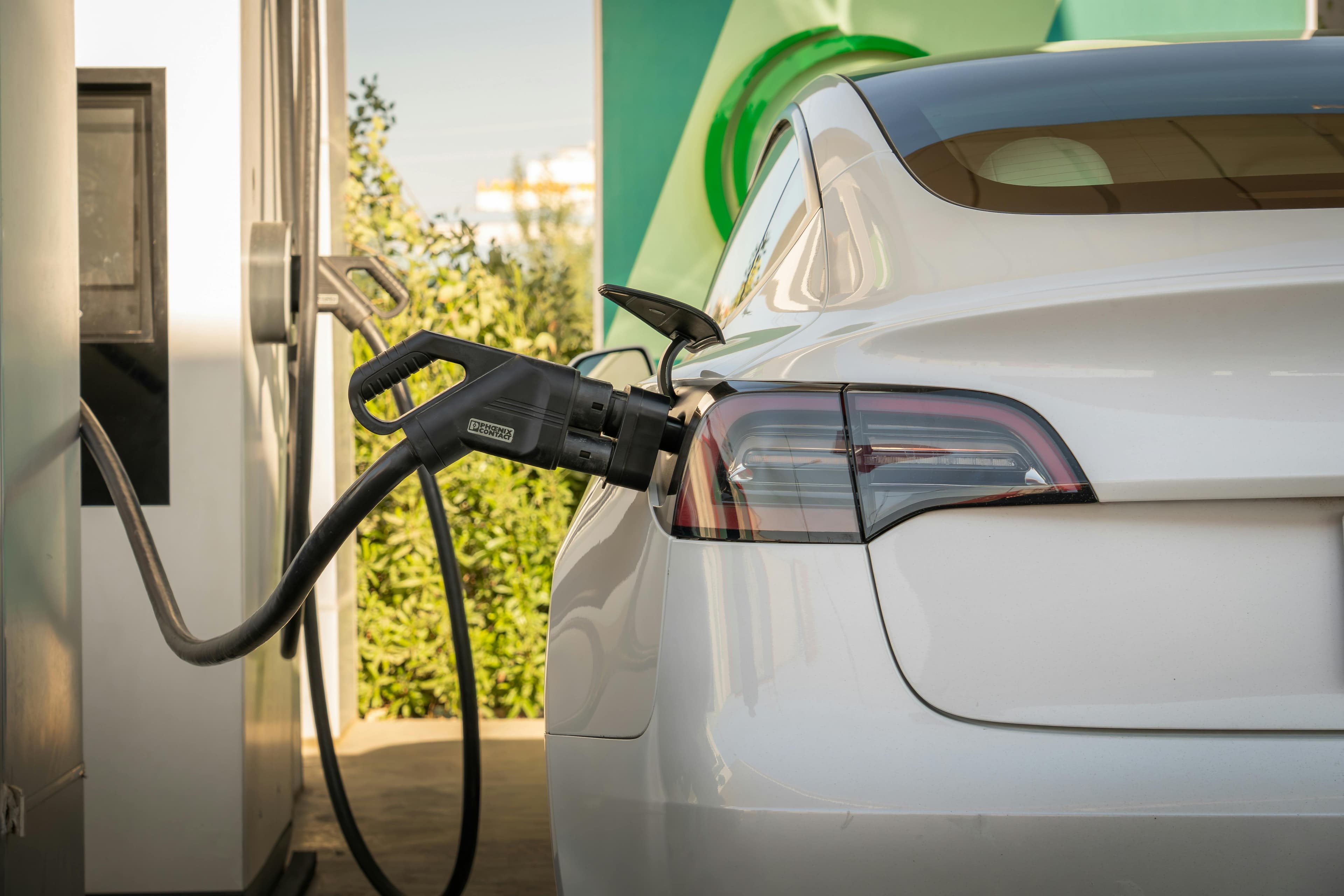
Buy new for full warranty coverage, the latest technology and the widest range of finance options. Buy used for a lower purchase price and to avoid the steepest depreciation, provided the battery health and remaining warranty check out.
Here is how to think about it in detail.
The case for buying new
Full warranty coverage. A new EV comes with the complete manufacturer warranty on the vehicle and the battery. No guessing about what is left.
Latest technology. Newer models tend to have longer range, faster charging, better software, and improved features. EV technology moves fast, and even a two to three year old model can feel a generation behind.
Government incentives may apply. Some incentives, like the FBT exemption, apply based on when the vehicle was first held and used. A new vehicle is more straightforward for eligibility. Check our guide on EV incentives.
Choosing between brands is one step. Working out the right finance path is the next.
Once you have narrowed down the vehicle, we can help you compare personal, business and novated lease options in plain language.
No obligation. Real broker guidance.
Choice of spec. You pick the exact model, colour, and options you want. No compromising.
Finance options are broadest. Lenders are generally most comfortable financing new vehicles, which can mean better rates and more flexible terms.
A broker can talk you through how lenders actually treat new vs. used at no cost to you, see loan-o's how much does a finance broker cost guide.
The case for buying used
Lower purchase price. The most obvious advantage. A two to three year old EV can be significantly cheaper than the same model new, or let you access a higher-spec model within the same budget.
Avoid the steepest depreciation. New vehicles lose the most value in their first two years. A used EV buyer lets someone else absorb that hit.
Still weighing models? You can sort the funding picture at the same time.
A broker can outline how different structures usually work for the price band you are looking at, without locking you in.
Good battery longevity. Real-world data shows that most EV batteries hold up well. A three-year-old EV with 85 to 90% battery health still has plenty of usable life ahead of it.
Insurance savings. Insurance premiums are often lower for a vehicle with a lower value.
What to check on a used EV
If you go the used route, there are some EV-specific checks on top of the usual used car due diligence.
Battery health. Get a battery health report showing the state of health (SoH). Above 85% after a few years is generally considered good.
Remaining warranty. Check what warranty remains on both the vehicle and the battery. A used EV with four or five years of battery warranty left is in a very different position to one with six months left.
Want repayment clarity before you decide?
Tell us what you are comparing and we can help you understand what repayments and structures might look like in practice.
Service history. Make sure the vehicle has been serviced according to the manufacturer's schedule. Skipped services can void warranty.
Charging history. If the vehicle has been heavily reliant on DC fast charging (common in fleet or rideshare vehicles), it may have experienced more battery stress than one that was mostly home-charged.
PPSR check. If buying privately, confirm there is no finance owing on the vehicle.
For a detailed guide on buying and financing used, see our guide on how to finance a used electric vehicle. And for what to look for specifically around battery health, see our guide on EV battery life. If you're leaning used, work through our used EV buyer's checklist before you inspect.
How does finance differ?
New EVs generally attract the widest range of lenders and the most competitive rates. Used EV finance is available, but rates may be slightly higher, and some lenders have restrictions on the age or condition of the vehicle.
A specialist EV finance broker knows which lenders are comfortable with used EVs and can steer you toward the right option. This is one of the biggest advantages of using a broker over going directly to a bank.
For more on how finance works for EVs, see our guide on how EV finance works in Australia. Whichever way you lean, try our loan repayment calculator with both a new and a used price to compare the repayment gap directly.