

Educational
How Does EV Finance Work in Australia?
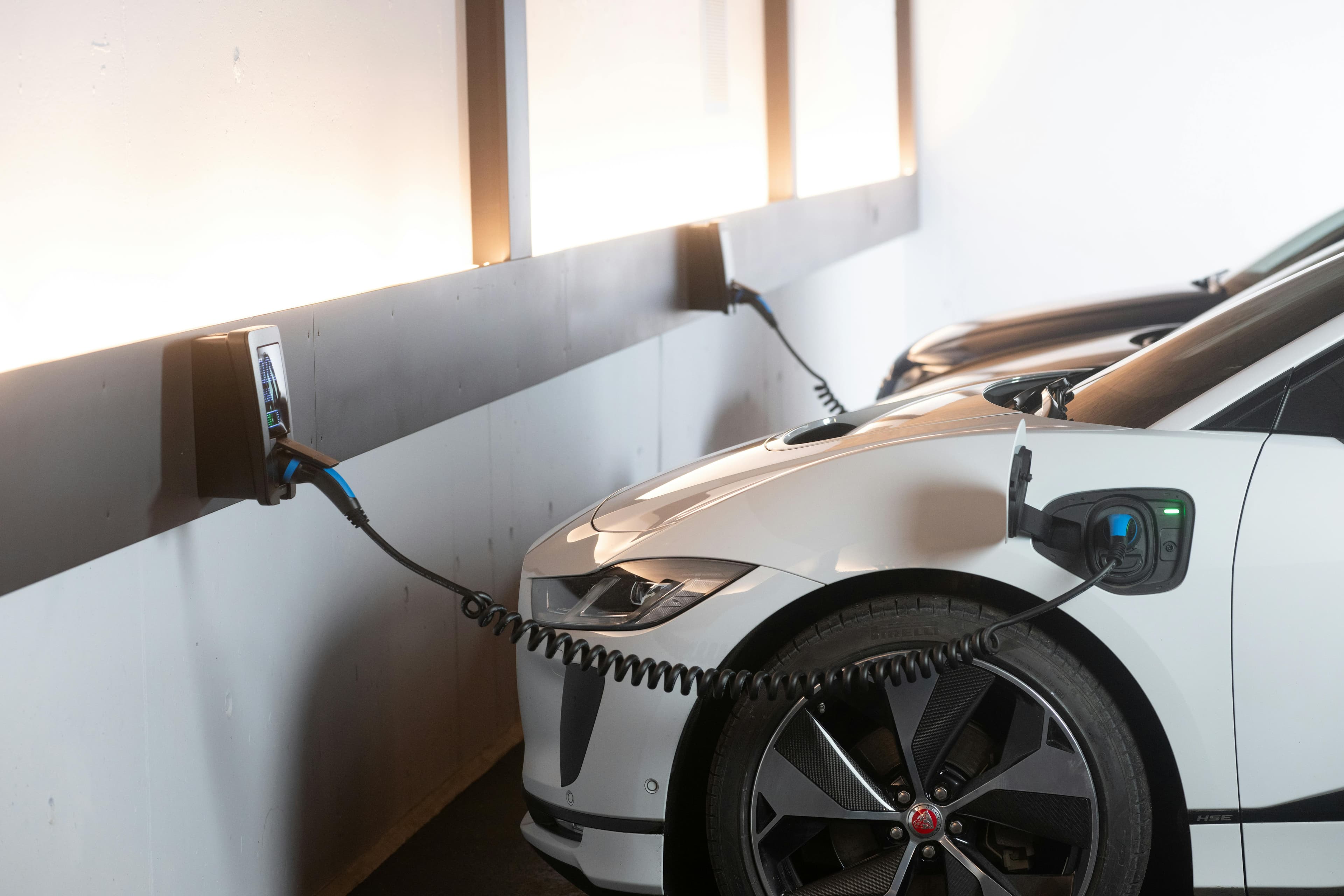
EV finance works the same way as financing a petrol or diesel car: you borrow a set amount, make regular repayments, and at the end of the term either own the vehicle or hand it back, depending on the structure. The main options are a chattel mortgage, a finance lease, a consumer loan, or a novated lease.
This guide walks you through how it works, what your options are, and how to get started without the headaches.
What is EV finance?
EV finance is simply a way to spread the cost of an electric vehicle over time rather than paying for it upfront. You borrow a set amount, make regular repayments, and at the end of the term you either own the vehicle outright or hand it back, depending on the finance structure you choose.
It works the same way as financing a petrol or diesel car. The difference is in the asset itself, not the finance process. Some lenders are particularly keen on EVs and may offer competitive terms because of the growing demand and strong resale values.
What are the main types of EV finance?
There are a few common structures, and the right one depends on whether you are buying for personal use or through a business.
Chattel Mortgage: Popular with business buyers. The lender provides the funds, you take ownership of the EV from day one, and you repay the loan over an agreed term. If you are registered for GST, you may be able to claim the GST on the purchase price and the interest on repayments. Talk to your accountant about your specific situation.
Found an EV that fits your budget? The finance path needs to fit too.
We help you compare the main options for the vehicle you are considering - personal, business and novated where it applies.
Specialist EV finance brokers.
Finance Lease: The lender buys the EV and leases it to you. You make regular payments and at the end of the term, you can either pay a residual to take ownership, re-finance, or hand it back. This can suit businesses that prefer to keep the vehicle off their balance sheet.
Consumer Loan: If you are buying an EV for personal use, a standard secured car loan is the most common option. The vehicle acts as security for the loan, and you own it once the loan is paid off.
Novated Lease: If your employer offers salary packaging, a novated lease lets you pay for the EV and running costs from your pre-tax salary. This is worth exploring, but it is arranged through your employer, not directly through us.
Shopping under $50k often means trade-offs on range and spec - your loan term should match those trade-offs.
A broker can help you avoid a mismatch between how long you keep the car and how the loan is structured.
If you are not sure which structure suits you, that is exactly what a specialist EV finance broker is for. They can walk you through the pros and cons based on your circumstances. For a deeper look at finance structures, visit Aussie Finance Hub.
For definitions of the finance terms brokers use day to day, see loan-o's Finance glossary.
How does the process work?
Getting started is straightforward. Here is what to expect:
- Tell us what you are looking for. Fill out a quick enquiry and let us know what EV you are after, your budget, and whether it is for personal or business use.
- Get matched with a broker. A qualified finance broker gets in touch to understand your situation. They will ask about your income, expenses, and what matters most to you, whether that is the lowest repayments, the shortest term, or the best flexibility.
- Your broker shops around. With access to a wide panel of lenders, your broker compares options and comes back with a finance structure that fits. This is not a one-size-fits-all process. Different lenders suit different situations, and your broker takes the time to find the right match.
- Approval and settlement. Once you are happy with the option, your broker handles the paperwork and works with the lender to get everything settled. You can upload documents straight from your phone, so there is no printing or scanning involved.
Do I need a deposit?
Not always. Some lenders will finance 100% of the purchase price, while others may want a deposit. It depends on your financial position and the lender's criteria. A broker can give you a clearer picture once they understand your situation.
Test drove something in this price bracket? Mention the model and we will tailor the conversation.
Different lenders have different appetites for brands and ages - brokers shortcut the guesswork.
Can I finance a used EV?
Yes. Used EVs are absolutely financeable, though lender appetite can vary depending on the age, make, and battery condition of the vehicle. Your broker will know which lenders are comfortable with used EVs and which ones to avoid.
If you are weighing up whether to go new or used, you might find our guide on how to finance a used electric vehicle in Australia helpful.