

Educational
Instant Asset Write-Off for EVs 2026: Car Limit & Eligibility
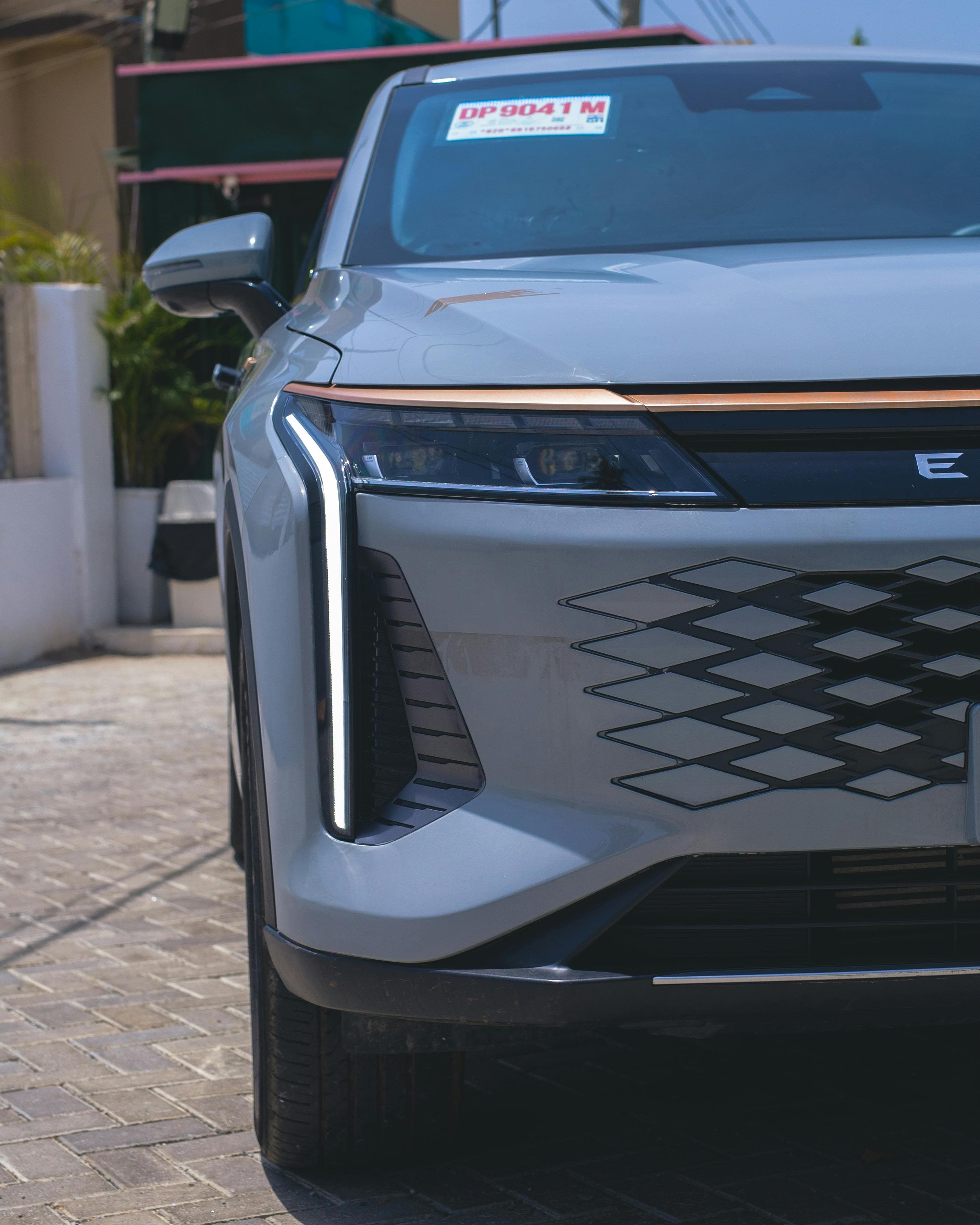
The instant asset write-off lets eligible businesses deduct the full cost of an asset like an EV in the year of purchase, instead of depreciating it over several years. As of 26 August 2026, the $20,000 cap per asset (for businesses under $10 million turnover) was made a permanent, ongoing feature of the law rather than a measure that needs re-legislating each year - always confirm current settings with the ATO or your accountant before relying on it.
Here is how it applies to EV purchases specifically.
What is the instant asset write-off?
Under normal tax rules, when a business buys an asset like a vehicle, the cost is depreciated (written off) over several years. The instant asset write-off allows eligible businesses to deduct the full cost of the asset in the year of purchase, rather than spreading the deduction across the asset's effective life.
This brings forward a significant tax benefit. Instead of claiming a small deduction each year for several years, you claim the full amount in one hit.
Test drove something in this price bracket? Mention the model and we will tailor the conversation.
Different lenders have different appetites for brands and ages - brokers shortcut the guesswork.
Is it currently available?
The instant asset write-off (and its various iterations, including temporary full expensing) was extended, modified, and reintroduced year by year for a long stretch, which made it hard to plan around. That changed with the Treasury Laws Amendment (Tax Reform No. 2) Act 2026, which received Royal Assent on 26 August 2026 and made the write-off a permanent, ongoing feature of the law from 1 July 2026, rather than a measure that needs annual re-legislation.
The headline settings are: $20,000 instant asset write-off per asset for eligible businesses with aggregated turnover under $10 million, for assets first used or installed ready for use in the relevant income year. Eligibility, caps, and exclusions can still change in future budgets, so verify the current law before relying on it.
Because tax settings can still change, always verify the current rules with the ATO or your accountant before making a purchasing decision based on this incentive.
How does it work for EVs specifically?
If the instant asset write-off is available and your business is eligible, you can potentially deduct the full purchase price of an EV (up to any applicable threshold) in the financial year you purchase and first use the vehicle.
Buying your first EV can feel like a lot of new numbers. You do not have to work it out alone.
We connect you with someone who can explain repayments, balloon options and what paperwork usually looks like.
There are a few things to be aware of with vehicles specifically.
Car limit. The ATO sets an annual car limit, which caps the amount you can claim for the business use of a car. For the 2026-27 financial year, this limit is $69,883 (it was $69,674 in 2024-25). If your EV costs more than this limit, you can only claim the limit amount, not the full purchase price - this limit is updated annually, so confirm the current-year figure before relying on it.
Note that the car limit applies to passenger vehicles. If the EV is classified as something other than a car for tax purposes (some larger vehicles may qualify), different rules may apply. Check with your accountant.
Business use percentage. If the vehicle is used partly for personal purposes, the deduction is limited to the business use percentage. If you use the EV 70% for business, you can claim 70% of the eligible amount.
For more on how depreciation works for business EV buyers, see our guide on EV depreciation.
How does it interact with finance?
The instant asset write-off applies to the cost of the asset, not to how you pay for it. Whether you pay cash, use a chattel mortgage, or use another finance structure, the write-off can still apply (subject to eligibility).
Under a chattel mortgage, you own the asset from day one, which makes claiming the write-off straightforward. Under a finance lease, the treatment may be different because the lender owns the asset. A specialist EV finance broker can talk you through how each structure interacts with the write-off, and your accountant can advise on the specifics.
For more on chattel mortgage, see our guide. For a broader look at business finance, see our guide for small business EV buyers. Once you have a vehicle price in mind, run it through our loan repayment calculator to see indicative repayments before you apply.
Found an EV that fits your budget? The finance path needs to fit too.
We help you compare the main options for the vehicle you are considering - personal, business and novated where it applies.
Specialist EV finance brokers.
Should the write-off drive your buying decision?
No. It should inform your timing and your finance structure, but it should not be the primary reason you buy a vehicle. Buy an EV because it makes sense for your business. Then use the write-off (if available) to improve the financial outcome.
Tax incentives come and go. A vehicle purchase is a commitment that lasts years. Make sure the asset suits your needs first, and treat the tax benefit as a bonus.
For a broader view of all EV incentives, see our guide on EV government rebates and incentives.
For general business finance guidance, visit Aussie Finance Hub.
For current rates and how they affect equipment purchases, see loan-o's Business loan & equipment finance rates Queensland guide.
If other business assets are on your list, Digger's Marketplace lists trucks, farm equipment and machinery from accredited Australian suppliers.