

Knowledge base
Best Electric Vans in Australia
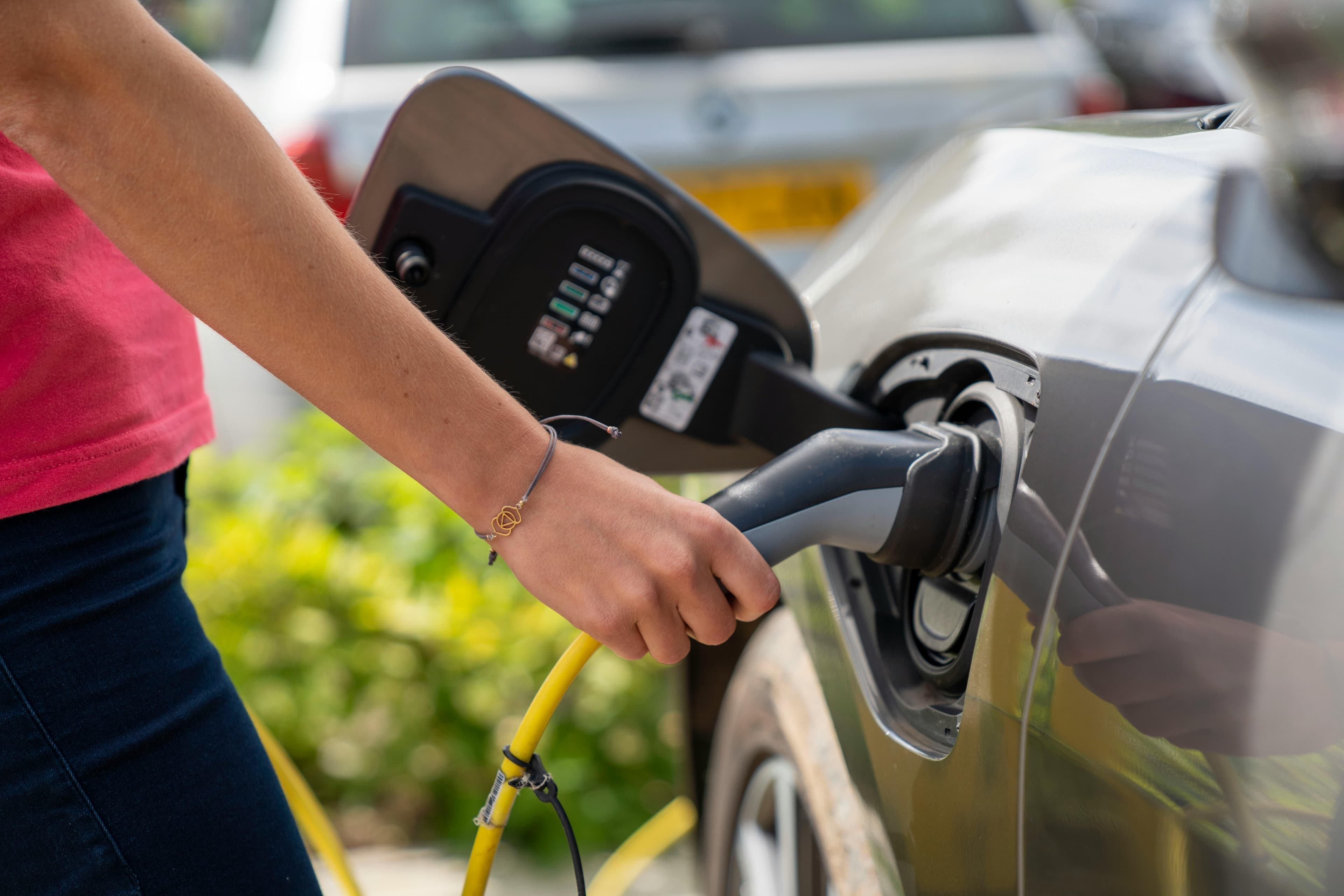
Electric vans work best for businesses with predictable daily routes under 200 to 300 kilometres, where overnight depot or home charging covers the next day's driving. Current models include the Farizon V7E from roughly $49,900-$53,900 drive-away and the Kia PV5 Cargo at around $56,000 + on-road costs.
Here is what is available and what to look for.
What is on the market?
The electric van market in Australia is still younger than the passenger EV market, but it is growing. Examples you will see in showrooms and fleet quotes include the Farizon V7E at roughly $49,900 to $53,900 drive-away (depending on variant and state) and the Kia PV5 Cargo at around $56,000 + on-road costs. Always confirm drive-away pricing with the dealer.
Most electric vans currently available fall into two categories: small panel vans for courier and light trade use, and larger vans for tradespeople and delivery fleets who need serious cargo space.
Test drove something in this price bracket? Mention the model and we will tailor the conversation.
Different lenders have different appetites for brands and ages - brokers shortcut the guesswork.
Quick callouts: the Farizon V7E (~$50k drive-away band) is a common entry point. The Kia PV5 (~$56k + ORC) often has the longest range in its class, though it's worth checking the exact variant. The Farizon SV sits around $70k+ for buyers who need more size or capability.
Who do electric vans suit?
Electric vans work best for businesses with predictable daily routes, typically under 200 to 300 kilometres. If your van comes back to a depot or your home each night, overnight charging covers the next day's driving with room to spare.
They are a natural fit for couriers and delivery services, tradespeople who work across a metro area (sparkies, plumbers, HVAC, painters), mobile service businesses (pet grooming, locksmith, cleaning), and last-mile delivery fleets.
If your routes are unpredictable, very long, or take you into regional areas without reliable charging, the current crop of electric vans may not suit yet. But for the majority of urban and suburban van use, the maths works.
What to look for
Cargo volume and payload. This is non-negotiable. Make sure the electric van matches or comes close to the cargo space and payload capacity of your current van. Some electric vans have slightly less cargo volume due to battery placement, so check the specs carefully.
Range. Look at the real-world range, not just the claimed figure. For a van that is loaded up and driven in stop-start city traffic, real-world range will be lower than the manufacturer's number. A buffer of at least 20% is sensible.
Charging speed. If you need to top up during the day, DC fast charging capability matters. Some smaller electric vans only support slower AC charging, which limits your ability to do a quick top-up between jobs.
Warranty and servicing. Check the battery warranty and find out where the van can be serviced. Manufacturer-backed servicing networks vary in coverage, especially outside capital cities.
The financial case
The running cost savings for vans can be even more dramatic than for passenger vehicles. Commercial vans often do high daily kilometres in stop-start conditions, which is the exact scenario where EVs are most efficient and where petrol or diesel vehicles are least efficient.
For a van doing 30,000 to 50,000 kilometres a year, the fuel savings alone can be substantial. Add lower servicing costs on top, and the total cost of ownership over a three to five year finance term can be competitive with or better than a diesel equivalent, even with a higher purchase price.
If you are running multiple vans, the savings multiply. Our case study on a small business switching their fleet to electric shows how this can work in practice.
Found an EV that fits your budget? The finance path needs to fit too.
We help you compare the main options for the vehicle you are considering - personal, business and novated where it applies.
Specialist EV finance brokers.
For dedicated van finance options, visit van finance. The same broker team handles both EV and traditional van finance.
How to finance an electric van
The finance structures are the same as for any commercial vehicle. Chattel mortgage gives you ownership from day one with potential tax benefits. Finance lease keeps the asset off your balance sheet. A specialist EV finance broker will recommend the structure that suits your business.
For more on how business finance works, see our guide on EV finance for small business owners. And for a broader look at all finance options, visit Aussie Finance Hub.
If your business also needs trucks or machinery, Digger's Marketplace lists trucks, farm equipment and machinery from accredited Australian suppliers.