

Educational
EV Warranty Guide: What Is Covered and What Is Not
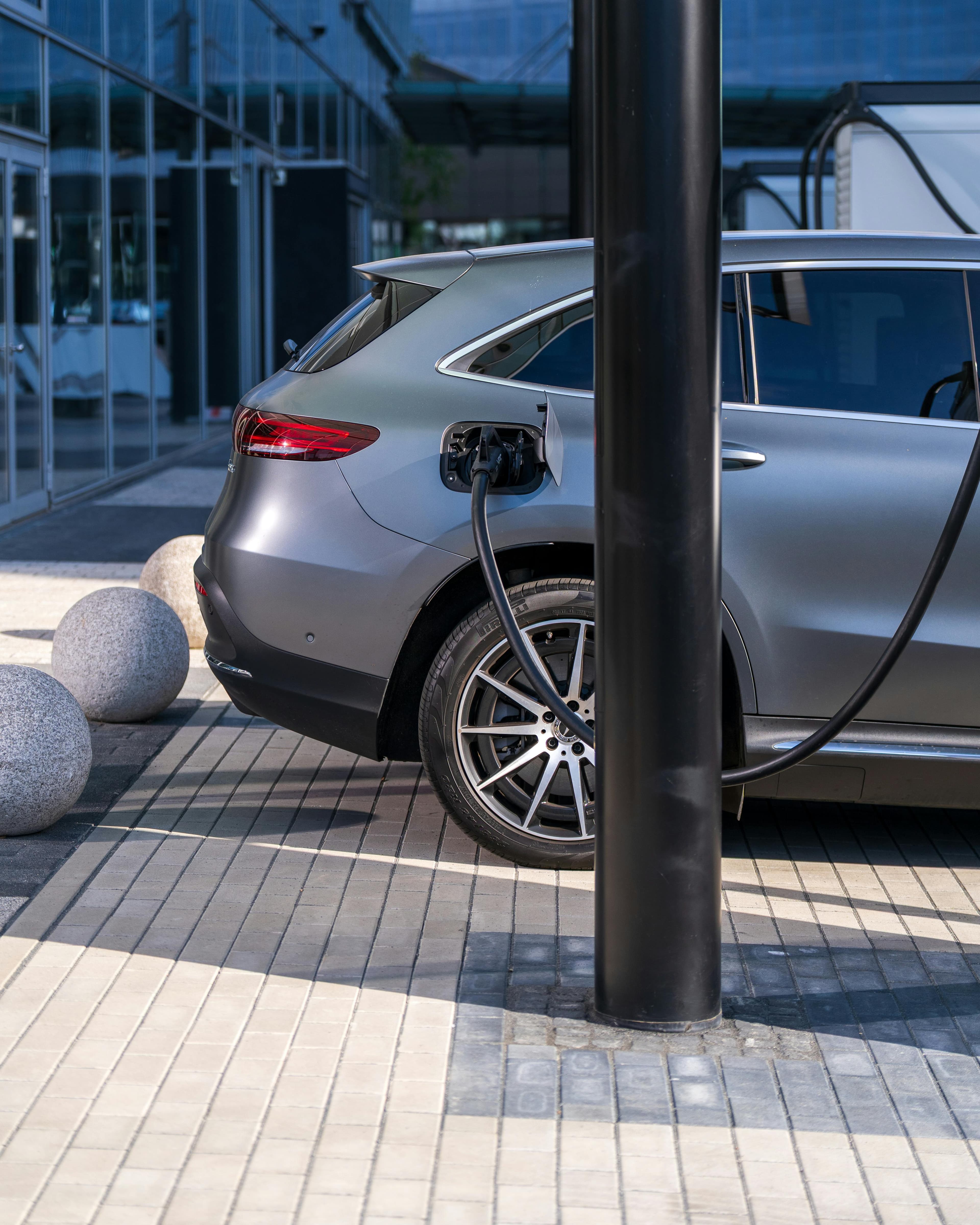
Every new EV in Australia comes with at least two warranties: a new vehicle warranty (typically 5 to 8 years) and a separate battery warranty (typically 8 years, guaranteeing around 70% of original capacity). Knowing what each covers, and what falls outside them, matters most when buying used or financing over a longer term.
Here is what you need to know.
The new vehicle warranty
This covers the vehicle as a whole, including the drivetrain, electrical systems, body, interior, and most components. It works the same way as a warranty on a petrol car.
Typical new vehicle warranty periods for EVs in Australia range from 5-8 years, with kilometre limits from capped to unlimited km depending on the manufacturer. BYD, for example, often quotes 6 years / 150,000 km, and MG has advertised up to 10 years / 250,000 km on certain components. Always read your specific vehicle warranty document.
The new vehicle warranty covers manufacturing defects and component failures that occur under normal use. It does not cover wear and tear items like tyres, brake pads, or wiper blades.
The battery warranty
This is the one that matters most for EV buyers. The battery is the most expensive single component in the vehicle, and the warranty provides protection against premature failure or excessive degradation.
Most manufacturers offer a battery warranty of 8 years and often 160,000-240,000 km (whichever comes first), depending on brand and model. The warranty typically guarantees that the battery will retain a minimum state of health, commonly around 70% of original capacity, over the warranty period.
If the battery degrades below the guaranteed level within the warranty period, the manufacturer will repair or replace it at no cost.
If the running costs stack up, the next question is how to fund the switch sensibly.
We help you compare practical finance options for the EV you have in mind - consumer, business or packaging where relevant.
Lightweight enquiry first. No full application required.
What is typically not covered
Wear and tear items. Tyres, brake pads, wiper blades, and cabin filters are consumable items and are not covered under warranty.
Damage from misuse. If the vehicle has been modified, used for purposes it was not designed for, or if maintenance has not been carried out according to the manufacturer's schedule, the warranty may be voided or limited.
Cosmetic damage. Paintwork, interior trim wear, and minor cosmetic issues are generally not covered unless they result from a manufacturing defect.
Charging equipment. The warranty on a home charger (wall box) may be separate from the vehicle warranty and provided by the charger manufacturer. Check both.
Lower fuel bills are only half the picture - the loan structure needs to fit how long you will keep the car.
A broker can match term, balloon and payment rhythm to how you drive and how you use the vehicle.
Third-party accessories. Anything fitted after purchase that was not factory-installed is typically not covered.
Used EVs and warranty
If you are buying a used EV, the remaining warranty transfers with the vehicle in most cases. Check how much warranty time and mileage remains, particularly on the battery warranty.
Some manufacturers also offer certified pre-owned programs that include extended warranties or additional coverage. Ask the dealer about these options.
If you are financing a used EV, the remaining warranty period is an important factor. Ideally, your finance term should not extend significantly beyond the battery warranty period, which is exactly the kind of detail a specialist EV finance broker will check for you before recommending a term. Our guide on financing a used electric vehicle covers what else to check.
Extended warranties
Some manufacturers and third-party providers offer extended warranty options that kick in after the factory warranty expires. These can provide peace of mind, particularly for the battery, but check the terms carefully. Not all extended warranties offer the same level of coverage.
What to check before you buy
Before purchasing any EV, new or used, review the new vehicle warranty period and what it covers, the battery warranty period and the minimum capacity guarantee, the servicing requirements needed to maintain warranty validity, and whether the warranty is transferable (important if you plan to sell the vehicle before the warranty expires).
For a broader overview of asset finance, visit Aussie Finance Hub.