
Educational
How to Finance an Electric Vehicle in Australia
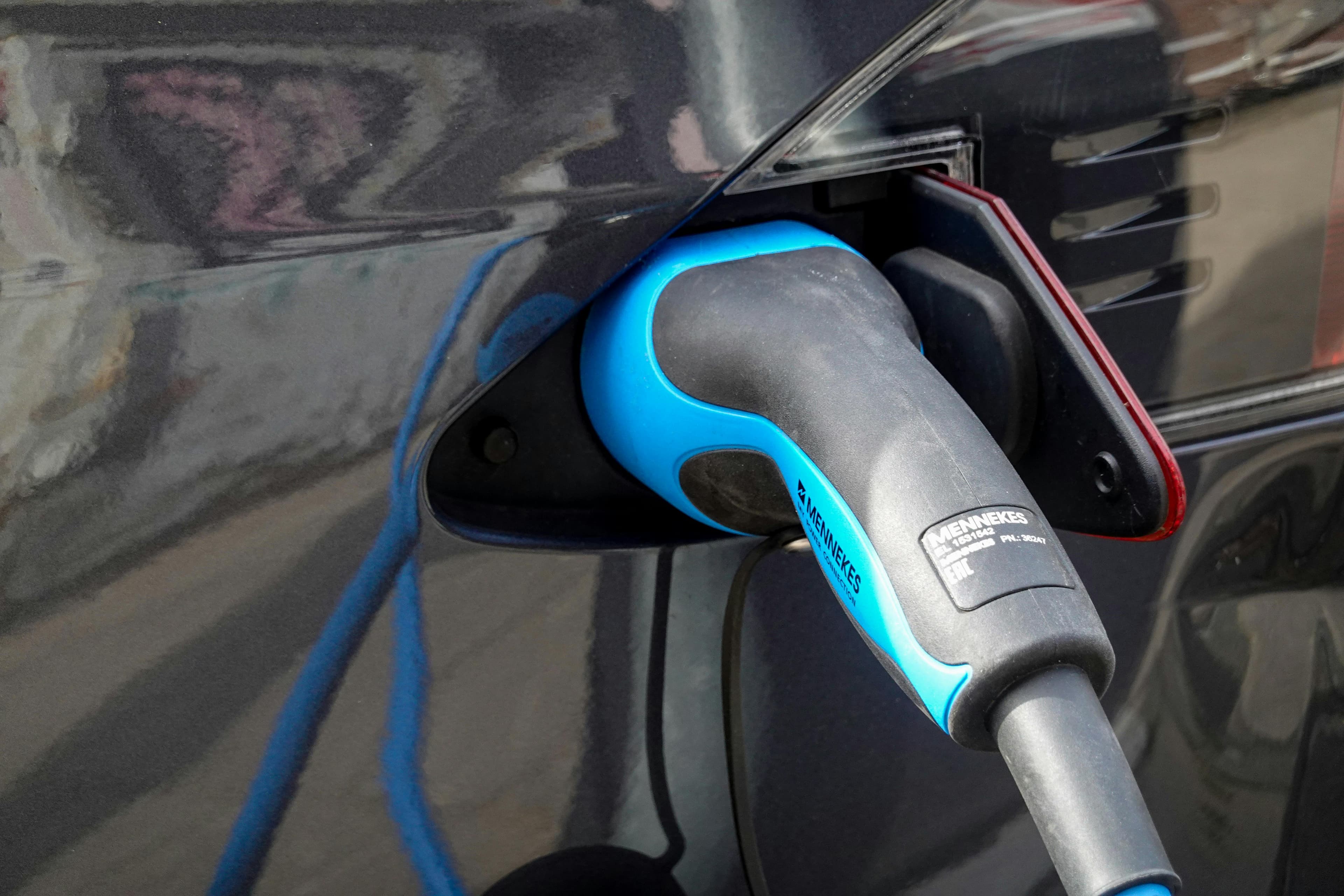
There are four main ways to finance an electric vehicle in Australia: chattel mortgage and finance lease for businesses, and novated lease and personal loan for individuals. With EV purchase prices typically ranging from $40,000 to $100,000+, most buyers use one of these structures rather than paying cash, and the right one depends on whether you have an ABN, an employer who offers salary packaging, or neither.
Key Takeaways
- Four main EV finance options: chattel mortgage, novated lease, personal loan, and business finance lease
- Businesses can claim tax deductions including GST, depreciation, and interest expenses
- Novated leases offer FBT exemption for EVs under $91,661, which can mean sizeable tax savings for employees
- Most applications are assessed within 24-48 hours, with rates from 5-12% depending on the product
- Used EVs can be financed up to 10 years old, though terms and rates vary by vehicle condition
In This Guide:
Understanding EV finance in Australia
Electric vehicle finance works similarly to traditional car finance, but with some important differences. Lenders now recognise EVs as viable assets with strong resale values, particularly from established brands like Tesla, BYD, and MG. However, they do assess battery health and warranty coverage as part of the approval process.
The Australian EV finance market has matured significantly, with most major banks and specialist lenders now offering competitive products. Interest rates typically range from 5-12% depending on your credit profile, the finance type, and whether you're a business or individual borrower.
Why finance rather than buy outright?
Whilst paying cash might seem like the simplest option, financing offers several advantages:
- Preserve cash flow: Keep your savings invested or available for emergencies rather than tying up $50,000-$100,000 in a depreciating asset
- Tax benefits: Businesses can claim interest, depreciation, and potentially GST. Employees can access pre-tax salary deductions through novated leases
- Upgrade flexibility: Finance typically runs for 3-5 years, allowing you to upgrade to newer EV technology without being stuck with an outdated vehicle
- Opportunity cost: Money invested elsewhere may earn returns that exceed the cost of finance, particularly at current low rates
Real example:
A business purchasing a $70,000 Tesla Model 3 through a chattel mortgage over 5 years at 7.5% will pay approximately $1,400/month. However, they can claim back $6,364 in GST immediately, plus depreciation of around $17,500 in year one, and $5,250 in interest expenses (first year). The effective after-tax cost is significantly lower than paying cash.
Business finance options for EVs
If you operate a business with an ABN, you have access to tax-effective finance structures that can significantly reduce the true cost of your electric vehicle.
1. Chattel mortgage (most popular for businesses)
A chattel mortgage is a secured loan where you own the vehicle from day one, but the lender holds a charge over it as security. This is the most popular option for businesses because it provides maximum tax benefits whilst maintaining ownership.
How it works:
- You select your EV and we arrange finance for the purchase price
- The lender pays the dealer/seller and you immediately become the owner
- You make regular repayments (monthly, fortnightly, or weekly) over 1-7 years
- At the end, you own the vehicle outright (or earlier if you pay out the loan)
Tax benefits:
- Claim GST on the purchase price immediately (if GST registered)
- Claim depreciation on the vehicle value each year
- Claim interest expenses as business deductions
- Claim running costs if used for business purposes
Best for: Businesses wanting to own their vehicles, claim maximum tax deductions, and have the flexibility of balloon payments to reduce monthly costs.
Learn more: EV Chattel Mortgage Guide
2. Finance lease
With a finance lease, the lender owns the vehicle during the lease term. You have full use of it and at the end you can purchase it for the residual value, refinance, or return it.
Key features:
- Lease payments are fully tax-deductible business expenses
- GST can be claimed on each payment (if registered)
- Vehicle stays off your balance sheet
- Flexible end-of-lease options
Best for: Businesses wanting to keep assets off their balance sheet, or those who prefer the flexibility of returning or upgrading vehicles at lease end.
Found an EV that fits your budget? The finance path needs to fit too.
We help you compare the main options for the vehicle you are considering - personal, business and novated where it applies.
Specialist EV finance brokers.
3. Commercial hire purchase
Similar to a chattel mortgage, but technically you don't own the vehicle until the final payment is made. Functionally very similar with comparable tax treatment.
4. Novated lease (for business owners who are employees)
If you're a business owner who pays yourself a salary (common for company directors), you may be able to access a novated lease. This allows you to salary package your EV with significant tax advantages.
With the Federal Government's FBT exemption for EVs under $91,661, novated leases have become incredibly attractive. You could save $5,000-$15,000 per year compared to buying the same vehicle with after-tax dollars.
Learn more: EV Novated Lease Guide
Personal finance options for EVs
Don't have a business? No problem. Personal EV finance options are readily available for individual buyers.
1. Novated lease (employees)
If you're a permanent employee (not a contractor), a novated lease is likely your best option. This is a three-way agreement between you, your employer, and a lease company.
How it works:
- Your employer agrees to deduct lease payments from your pre-tax salary
- All running costs (electricity, insurance, rego, servicing) are bundled into the payment
- Because payments come from pre-tax income, your taxable income reduces significantly
- For EVs under $91,661, there's zero FBT, meaning enormous tax savings
Example savings: An employee earning $90,000/year leasing a $60,000 Tesla Model 3 could save approximately $8,000-$10,000 per year in tax compared to buying with after-tax dollars.
Best for: Permanent employees wanting maximum tax savings and an all-inclusive payment covering all vehicle costs.
2. Personal car loan (secured)
A traditional secured car loan where the EV acts as security. This is the most straightforward option for individuals who don't have access to novated leasing.
Key features:
- No ABN or employer involvement required
- Own the vehicle from day one
- Fixed or variable interest rates available
- Loan terms from 1-7 years
- Typically requires 20-30% deposit
Interest rates: Generally 7-12% depending on your credit score, loan amount, and vehicle age. Rates for new EVs are typically better than used vehicles.
Best for: Individuals who don't have access to novated leasing, or those who prefer the simplicity of a traditional loan structure.
Test drove something in this price bracket? Mention the model and we will tailor the conversation.
Different lenders have different appetites for brands and ages - brokers shortcut the guesswork.
Learn more: Personal EV Loan Guide
3. Personal loan (unsecured)
An unsecured personal loan doesn't use the vehicle as security. This provides more flexibility but typically comes with higher interest rates (10-16%).
Best for: Buyers with excellent credit who want the flexibility to sell or upgrade the vehicle without lender involvement, or those purchasing used EVs that don't meet secured loan criteria.
Comparing your finance options
Here's a side-by-side comparison to help you choose:
| Finance Type | Who's It For | Key Benefit | Typical Rate |
|---|---|---|---|
| Chattel Mortgage | Businesses (ABN) | Maximum tax deductions | 5-9% |
| Novated Lease | Employees | Huge pre-tax savings + FBT exemption | 6-10% |
| Finance Lease | Businesses (ABN) | Off balance sheet | 6-10% |
| Personal Loan (Secured) | Individuals | Simple, straightforward | 7-12% |
| Personal Loan (Unsecured) | Individuals | Maximum flexibility | 10-16% |
Decision tree: which option should you choose?
If you're a business owner with an ABN:
- Want to own immediately + maximum tax deductions: Chattel Mortgage
- Want flexibility at end of term + off balance sheet: Finance Lease
- Pay yourself a salary? Consider Novated Lease
If you're an employee:
- Permanent employment + EV under $91,661: Novated Lease (usually best)
- Casual/contract work: Personal Loan
If you're self-employed (non-business):
- Personal Loan (secured or unsecured depending on credit)
The application process
Applying for EV finance is straightforward. Here's what to expect:
Step 1: choose your electric vehicle
Before applying, you'll need to know which EV you want to purchase. Get a quote from the dealer showing the drive-away price. If buying privately, you'll need the seller's details and vehicle information.
Step 2: gather your documentation
For personal applications:
- Photo ID (driver's licence or passport)
- Proof of income (2-3 recent payslips or tax return if self-employed)
- Bank statements (last 3 months)
- Details of existing debts and expenses
- Vehicle quote or contract of sale
For business applications:
- ABN and business registration details
- Recent financial statements or tax returns
- Bank statements (business and/or personal)
- GST registration details (if applicable)
- Vehicle quote showing GST breakdown
Step 3: submit your application
You can apply online, over the phone, or in person. As a specialist EV finance broker, we handle the entire process:
- We assess your needs and recommend the best finance structure
- We compare offers from our panel of lenders
- We submit your application to the most suitable lender(s)
- We negotiate on your behalf for the best rates and terms
Step 4: assessment and approval
Most applications are assessed within 24-48 hours. The lender will:
Buying your first EV can feel like a lot of new numbers. You do not have to work it out alone.
We connect you with someone who can explain repayments, balloon options and what paperwork usually looks like.
- Check your credit history
- Verify your income and employment
- Assess the vehicle (age, condition, battery warranty)
- Calculate your borrowing capacity
Pre-approval can often be obtained even faster for straightforward applications. Once pre-approved, you can shop for your EV with confidence.
Step 5: settlement
Once fully approved:
- You review and sign the finance documents
- The lender pays the dealer or seller directly
- You collect your vehicle and start making repayments
- The lender registers their security interest (if applicable)
The entire process from application to driving away typically takes 3-7 days for most customers.
Improving your approval chances
Want to maximise your chances of approval and secure the best rate? Follow these tips:
1. Check your credit score first
Your credit score significantly impacts approval and rates. Check it for free through services like Credit Savvy or Equifax. If your score is below 600, consider:
- Paying down existing debts
- Fixing any errors on your credit file
- Waiting 6-12 months whilst building positive credit history
2. Save a larger deposit
Whilst minimum deposits are 10-30% depending on the product, a larger deposit (30-40%) significantly improves your approval chances and may unlock better rates.
3. Reduce existing debts
Lenders assess your debt-to-income ratio. Paying off credit cards or personal loans before applying improves this ratio and increases your borrowing capacity.
4. Choose the right vehicle
Lenders prefer EVs from established brands with strong resale values. Vehicles like Tesla Model 3/Y, BYD Atto 3, and MG ZS EV are viewed favourably. Newer vehicles with remaining battery warranty are easiest to finance.
5. Consider a shorter loan term
Whilst 5-7 year loans offer lower repayments, 3-4 year terms typically qualify for better interest rates and lower total interest paid.
6. Be honest and complete
Provide accurate information on your application. Lenders verify everything, and inconsistencies can result in decline. If you have past credit issues, explain them upfront. Lenders appreciate honesty.
Frequently asked questions
What is the best way to finance an electric vehicle in Australia?
The best EV finance option depends on your circumstances. Businesses typically benefit most from chattel mortgages (for tax deductions) or novated leases (for FBT exemption). Individuals should consider novated leases if employed, or personal loans if self-employed. Each option has different tax implications and costs.
Can I get a business loan for an electric vehicle?
Yes, businesses with an ABN and 6+ months trading history can access EV finance through chattel mortgages, business loans, or leasing arrangements. Business EV finance allows you to claim GST, depreciation, and interest as tax deductions.
How much deposit do I need for EV finance?
Deposit requirements vary by finance type and lender. Commercial finance typically requires 10-20% deposit, whilst personal loans may require 20-30%. Some lenders offer low-deposit options for borrowers with excellent credit, and novated leases often require minimal upfront costs.
Is it better to buy or finance an electric vehicle?
Financing often makes more sense than buying outright, especially for businesses. Financing preserves cash flow, provides tax benefits, and allows you to claim deductions. For individuals, novated leases offer significant tax savings through pre-tax salary deductions and FBT exemption.
How fast can I get approved for EV finance?
Most EV finance applications are assessed within 24-48 hours. Pre-approval can be obtained even faster for straightforward applications. Final settlement typically takes 3-7 days once all documentation is provided and approved.
Can I finance a used electric vehicle?
Yes, lenders provide finance for used electric vehicles, typically up to 10 years old. Interest rates and loan terms may vary based on the vehicle's age and condition. Lenders will assess battery health and remaining warranty as part of the approval process.
What credit score do I need for EV finance?
Most lenders prefer a credit score of 600 or above for EV finance. Scores above 700 typically secure the best rates. Some specialist lenders consider applications with lower scores, though this usually results in higher interest rates.
Are there government incentives for EV finance in Australia?
The main federal incentive is the FBT exemption for electric vehicles under $91,661 when provided through novated leases. Some states offer additional rebates and stamp duty exemptions. Businesses can claim instant asset write-offs subject to eligibility.
Conclusion
Financing an electric vehicle in Australia has gotten simpler as more lenders compete for EV business. With multiple finance options, competitive rates, and tax benefits for businesses and employees, the numbers often stack up better than buyers expect.
The key is choosing the right finance structure for your circumstances. Businesses should explore chattel mortgages or finance leases for maximum tax deductions. Employees should strongly consider novated leases to take advantage of the FBT exemption. Individuals without access to novated leasing can secure competitive personal loans.
The best finance option is not just about the interest rate. It is about the total cost after tax benefits, your cash flow situation, and your long-term goals.
Ready to Finance Your Electric Vehicle?
Get pre-approved in 24 hours with competitive rates tailored to your situation. Our EV finance specialists will compare options from multiple lenders to find you the best deal.
Apply Now Contact UsThis article provides general information only and does not constitute financial advice. Terms, conditions, fees and charges apply. You should consider seeking independent financial advice before making any decisions. EVFinancer (ACN 691 896 778) connects you with licensed finance brokers. Authorised representative of Australian Credit Licence No. 444332. Finance is subject to lender approval and assessment.